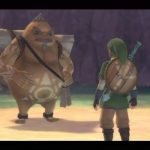
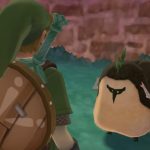
Almost any Zelda fan can recognize the most iconic races, from the rockin’ Gorons to the elegant Zora. Some may even be able to identify more obscure (but still important) races, like the Picori who forged the Four Sword in The Minish Cap, or the cute forest-penguin Kikwi from Skyward Sword. But of all the races of Hyrule and the lands beyond, I feel as though one has sat overlooked for 16 years: the Anouki.
The Anouki are cold climate creatures from the DS-era Zelda games who live in snowbound igloo villages and are extremely opinionated. What stood out for me the most about the Anouki is the type of challenge they present to Link on his adventures.

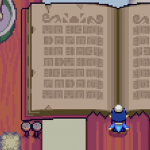
A veteran knows most of the puzzles in the Zelda franchise, from button puzzles and moving blocks to the mobility puzzles using the Hookshot/Clawshots. The Anouki are unique in that, for both installments of the series where they exist, they present Link with logic puzzles to earn their trust. While a handful of logic or memorization puzzles have come up in other installments, with the Dueling Peaks shrines and the Misko quest from Breath of the Wild coming immediately to mind, the DS games used these and other similar puzzles to make best use of the notepad feature in the maps of the dual-screened games.
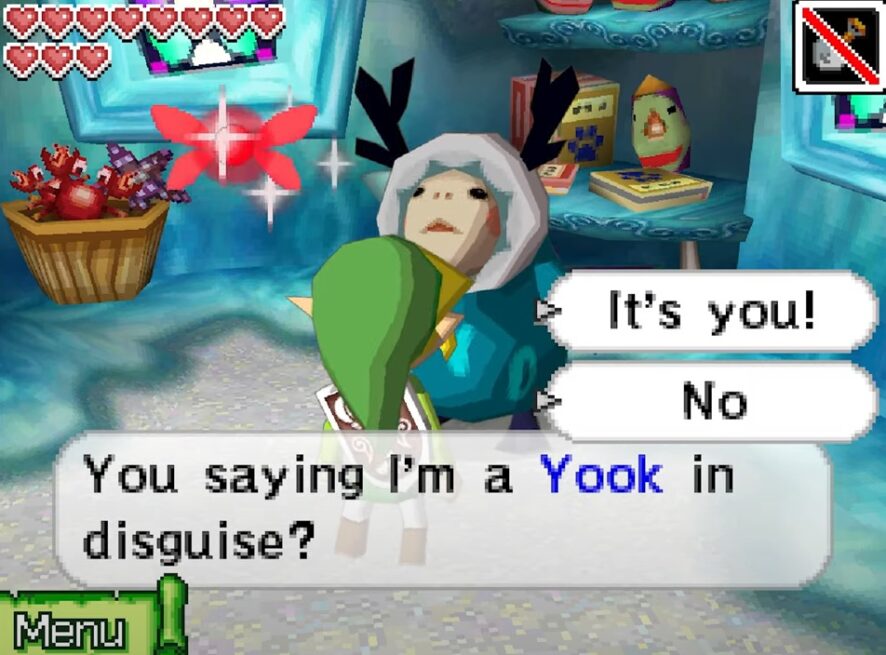
In Phantom Hourglass, the Anouki are necessary allies, as they guard the passage to the Temple of Ice where one of the ores to forge the Phantom Sword rests. However, between the village and the temple lives a monstrous race known as the Yook, and the Anouki Elder is concerned that a Yook has infiltrated their village and replaced one of their own. To earn the trust of these paranoid, reindeer-antlered villagers, Link is tasked with rooting out the imposter. Each of the Anouki will either vouch for another, or will state that one or more of the other villagers has been acting suspiciously as of late. And, of course, the intruding Yook is lying.
In Spirit Tracks, the Anouki hold a similarly important role, as they have knowledge of the location of the Snow Sanctuary. Unfortunately, the fickle Anouki have a monster problem and must form a patrol. The migrated Anouki of the Anouki Village are very opinionated about who they will work with — some refuse to work with those that have larger horns than them, while others have an extreme distaste of the yellow coats that some of the Anouki wear (perhaps due to a poor encounter with yellow snow?). Only with the patrol formed are the Anouki able to help Link locate the Snow Sanctuary and proceed.

In my experiences with the Zelda franchise and other action-adventure games alike, the use of logic puzzles or other clues that require some note-taking or memorization on the player’s part has always helped me truly leap into the world. Both Phantom Hourglass and Spirit Tracks utilized their notepad function to encourage this type of play, much to my contentment. It encourages players to pay attention to the world, be it by looking closely at named features on their map, engaging with and listening to the dialogue of NPCs, or taking the time to comb over the finer details of an area. For me, the Anouki were a first foray into experiencing a game in this way, and they helped me realize that these were the types of interactions I wanted more of in games. Reliving the experience in my recent replay of Phantom Hourglass has been a joy, and I’m boundlessly happy that the modern Zelda installments have used the quest journal as a place to keep vague clues and riddles so that these types of puzzles can return to the franchise.