Microsoft buys out Activision. Sony acquires Bungie. And now, Nintendo announced on February 23 that it’s acquiring SRD Co. Ltd. Big company mergers have buzzed major headlines since the start of 2022, and they’re shaking up the video game industry for good reason. But as the bigger fish swallow up the smaller fish, theoretically speaking, one question looms over everyone’s minds. How will this recent acquisition affect Nintendo in the buyout tidal wave?
Over the years the Big N has developed a reputation for staunch independence. They’ve been in business for over 100 years, after all. Microsoft got laughed out of the meeting room when they tried to buy Nintendo out in January 2000 for the development of their first Xbox console. As they say, the rest is history.
But then, Nintendo announced it is acquiring the game studio SRD Co. Ltd. What’s this? Is Nintendo finally caving into the buyout race to keep up with the Joneses? Nope. Not a chance.
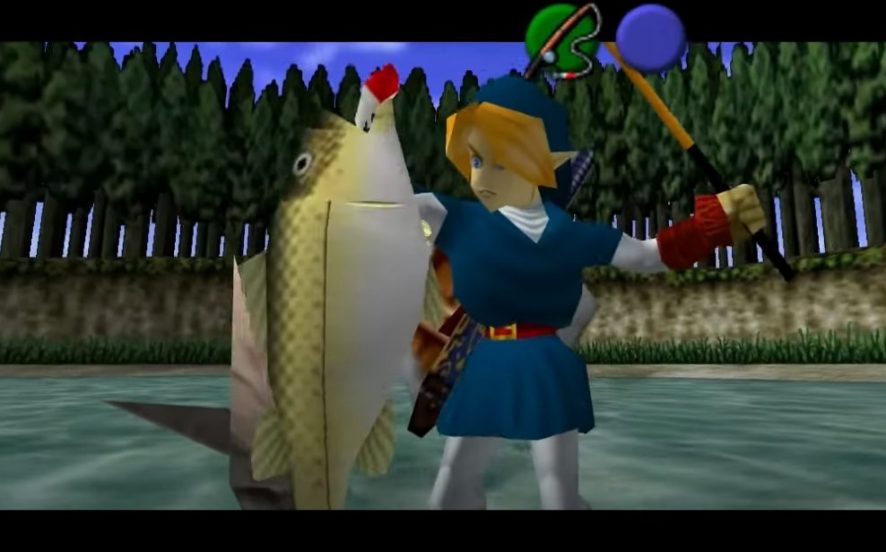
As it turns out, SRD Co. Ltd. has been a longtime programming partner with Nintendo since 1983. Hailing from Tokyo, SRD doesn’t develop its own games but rather assists game companies with the programming of other titles. They’ve helped Nintendo with behind-the-scenes development for Mario, Zelda, Animal Crossing, and other first-party brands for almost 40 years. In other words, Nintendo buying out SRD boasts little change for either side. It’s more like adopting a close friend of the family as a legal family member when they’ve been living in the same house with you anyway.
If anything, Nintendo’s acquisition of SRD will increase the operational efficiency of game development. The change is so small, no figure was disclosed for the buyout, as it would “only have a minor effect on Nintendo’s results.” Nervous fans can put to rest any worries about Nintendo swallowing or being swallowed up by the big fish. President Shuntaro Furukawa previously stated that such an undertaking would have to preserve ‘Nintendo DNA’ before it is even considered. In this case, SRD would certainly qualify.
After operating its business since 1889, it appears that the preservation of said DNA is working out well for Nintendo. There are certainly no signs of stopping that strategy in the near future.